Home · Services · Electrical Fire Cleanup
Electrical Fire Cleanup in San Leandro, CA
Quick answer
Electrical fire cleanup in San Leandro, often starting at the panel or in the garage, with cleanup waiting on the electrical verdict.
Electrical fire cleanup in San Leandro often starts at the panel or in the garage: older post-war panels, space heaters in rooms the furnace never reached, and charging equipment in garages are the recurring sources. Cleanup waits on the electrical verdict, and the scope separates the fire damage from the electrical correction, which is a different trade's invoice.
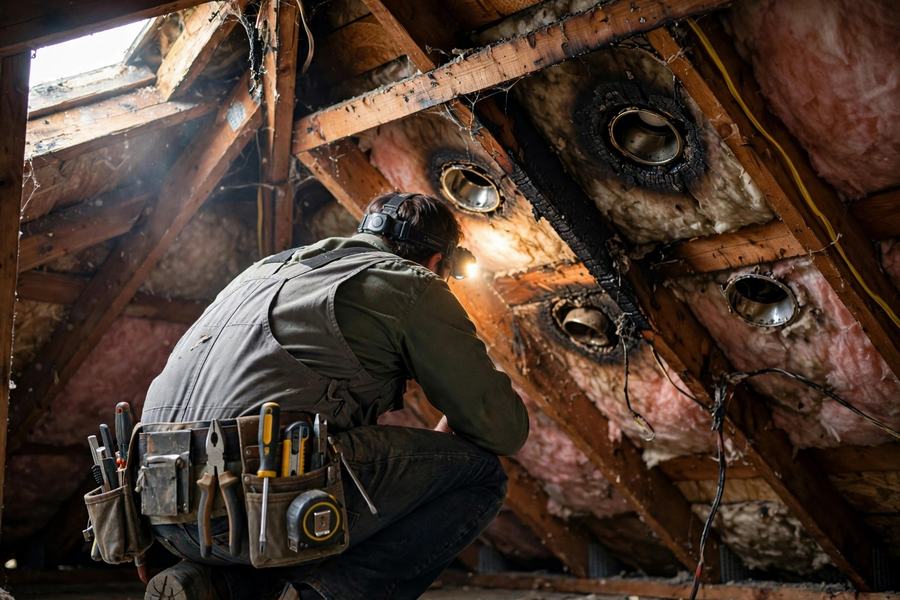
Signs you need electrical fire cleanup
- A burning plastic or ozone smell came from an outlet, panel, or appliance
- A breaker panel, meter base, or wiring run shows charring or melting
- An appliance caught fire or sparked heavily before being unplugged
- Part of the home lost power in the incident
What the job involves
What affects the price
- Where the failure started and how much wiring or equipment is involved
- Whether the panel or service equipment is damaged (an electrician's scope, priced separately)
- Smoke spread through the home
- Age of the home's wiring, which affects what else the electrician flags
- Contents affected near the source
When it is an emergency
Treat the electrical side as unresolved until an electrician clears it, even if the fire looked small. Restoration can start on smoke and soot, but power restoration and any re-energizing wait for that clearance. If the smell of burning plastic returns after power is back, kill the breaker and call again.
PLACEHOLDERElectrical Fire Cleanup across the San Leandro area
Related services
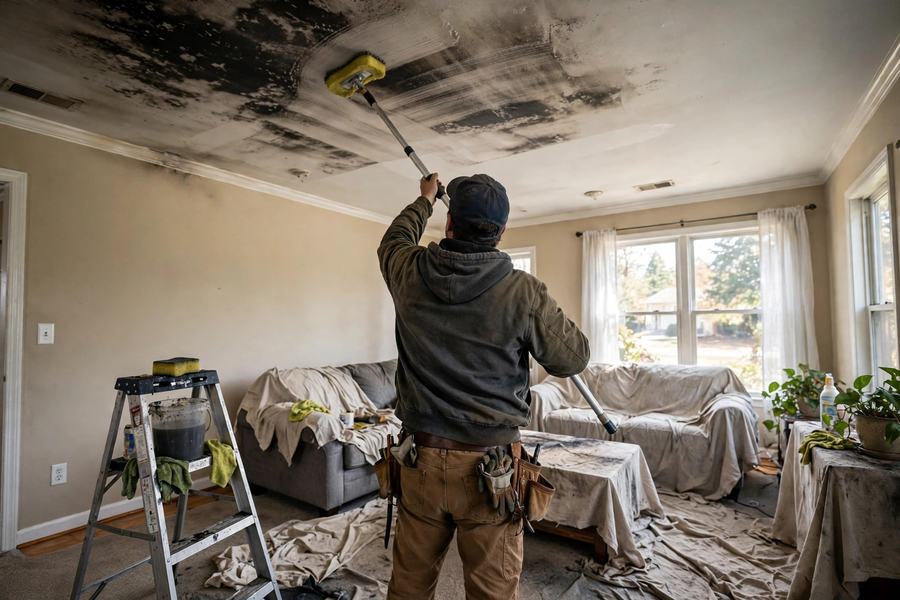
Fire Damage Restoration
Restoration for San Leandro's two geographies: flatland ranch tracts with ordinary residential losses and hillside homes that take wildfire smoke on Diablo wind nights.
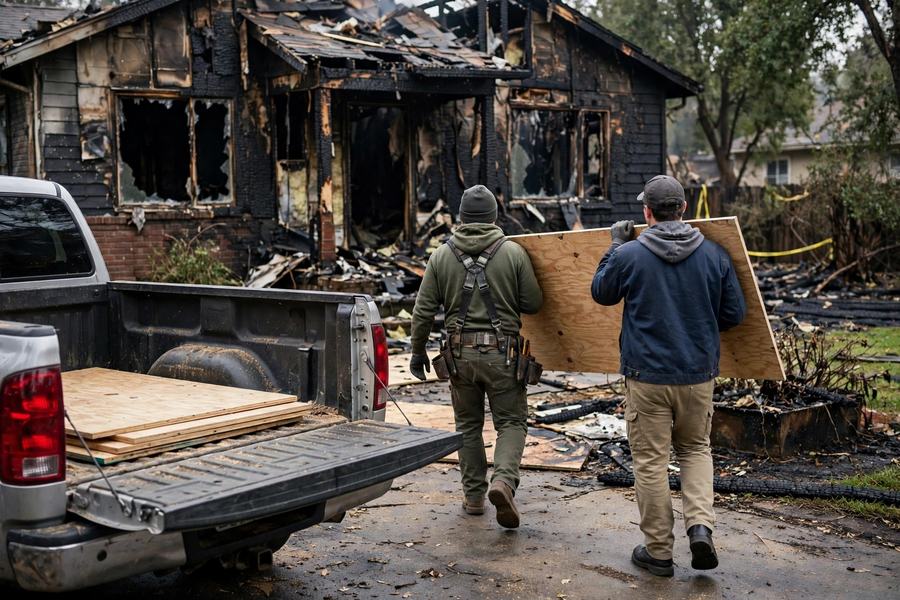
Emergency Board Up and Tarping
Board-up for San Leandro homes, measured and anchored against East Bay hill wind, and documented as the first mitigation step in the claim.
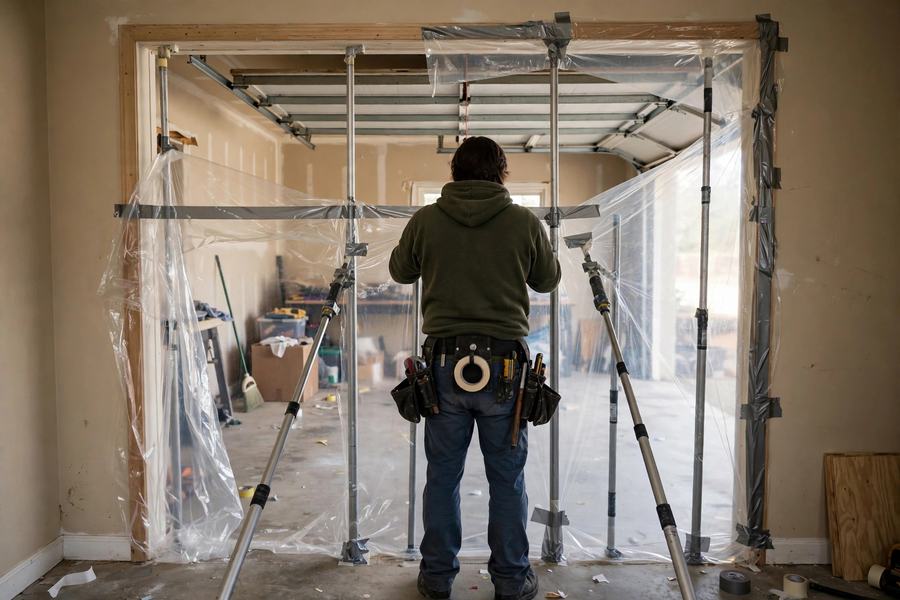
Commercial Fire Damage
Commercial fire work for San Leandro's Davis Street corridor, the Marina, East 14th Street retail, and the industrial west side, phased around the marshal sequence.
Kitchen Fire Cleanup
Kitchen fire cleanup for San Leandro's most common residential fire class, a migration scope across cabinets, ducts, and the rooms the furnace reached.
Electrical Fire Cleanup questions, answered
When is electrical fire cleanup an emergency?
Treat the electrical side as unresolved until an electrician clears it, even if the fire looked small. Restoration can start on smoke and soot, but power restoration and any re-energizing wait for that clearance. If the smell of burning plastic returns after power is back, kill the breaker and call again.
What affects the price of electrical fire cleanup in San Leandro?
The main price factors for electrical fire cleanup are covered in the cost section above. The contractor confirms the exact price in a written estimate after seeing the job, and nothing is owed until you approve it. The call and the referral are free.
What should I do first after a house fire in San Leandro?
Safety first, always: do not re-enter until the fire department says the structure is safe. Then, in order: call your insurer to open the claim, arrange board up for any broken windows, doors, or roof damage so the home is secure that night, and do not wipe soot, wash walls, or run the heating and air system, because all three spread the damage. Photograph everything before anything is moved or thrown away, and keep receipts for any emergency spending.
Can I stay in my home after a fire?
If the fire department or your insurer's assessment says the home is unsafe or uninhabitable, no, and loss of use coverage may pay for a hotel or rental in the meantime. For a contained fire (a kitchen fire with smoke through the house, for example) staying is sometimes possible after the assessment, but smoke residue is a respiratory irritant, the HVAC should stay off until ducts are checked, and children, older adults, and anyone with asthma should be cautious. Ask the question directly at the assessment and get the answer in the scope notes.
How long does fire restoration take?
Smoke only losses typically take one to two weeks from first cleaning to odor treatment. A fire that damages structure runs to months: one or two rooms with structural work commonly take three to six weeks of active repair, and larger structural losses can run three to nine months including permits and inspections. The variables are the scope the insurer approves, material lead times, and inspection scheduling. A contractor should give you a phase timeline in writing, not a single date promised on the phone.
Request a callback
Prefer to talk later? Leave your details and an independent local pro will call you back. No charge to you, no obligation.
Lake Chabot Fire Restoration is a free referral service. Submitting this form connects you with independent local contractors who provide the work.